India's PLI-Auto scheme has now attracted roughly ₹44,326 crore in investment and generated over 67,800 jobs as of March 2026, with 18 applicants certified across 154 products or variants as of mid-July 2026. Incentives run 13–18% for EV and hydrogen fuel cell components, and the scheme only pays out on products meeting a minimum 50% domestic value addition.
Sources: India's News · NewsOnAir
That last number — 50% DVA — is the one that should be on every R&D head's radar, because it's not a manufacturing metric. It's a design metric.
Assembly Doesn't Clear the Bar Anymore
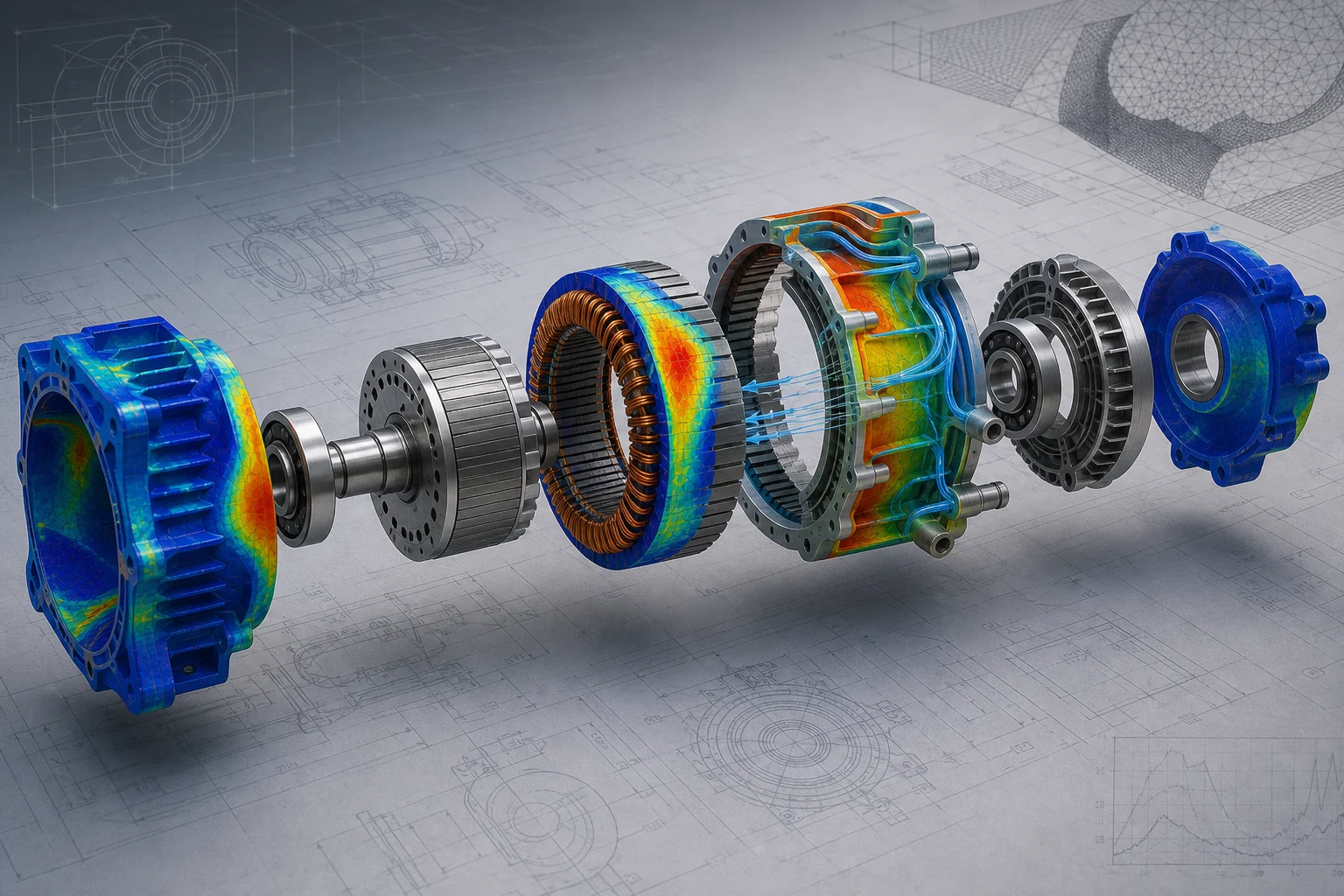
You can hit a high domestic value addition on sheet metal, castings, and wiring harnesses without owning a single design decision. But motors, inverters, and e-axles are exactly the components where DVA is hardest to fake — the electromagnetic design, the winding topology, the cooling architecture all have to be genuinely engineered in-country to count, not just built to an imported spec.
For most component makers still working toward certification, the blocker is the DVA calculation itself — not the application process. Categories like power electronics, sensors, and semiconductor-heavy modules remain where Indian suppliers rely most on imported subcomponents, which makes clearing the 50% threshold especially difficult. Source: EVreporter
For a company that's spent the last decade as a capable manufacturer but a thin design shop, that's a real capability gap — not a paperwork one.
Why This Changes Your Headcount Math
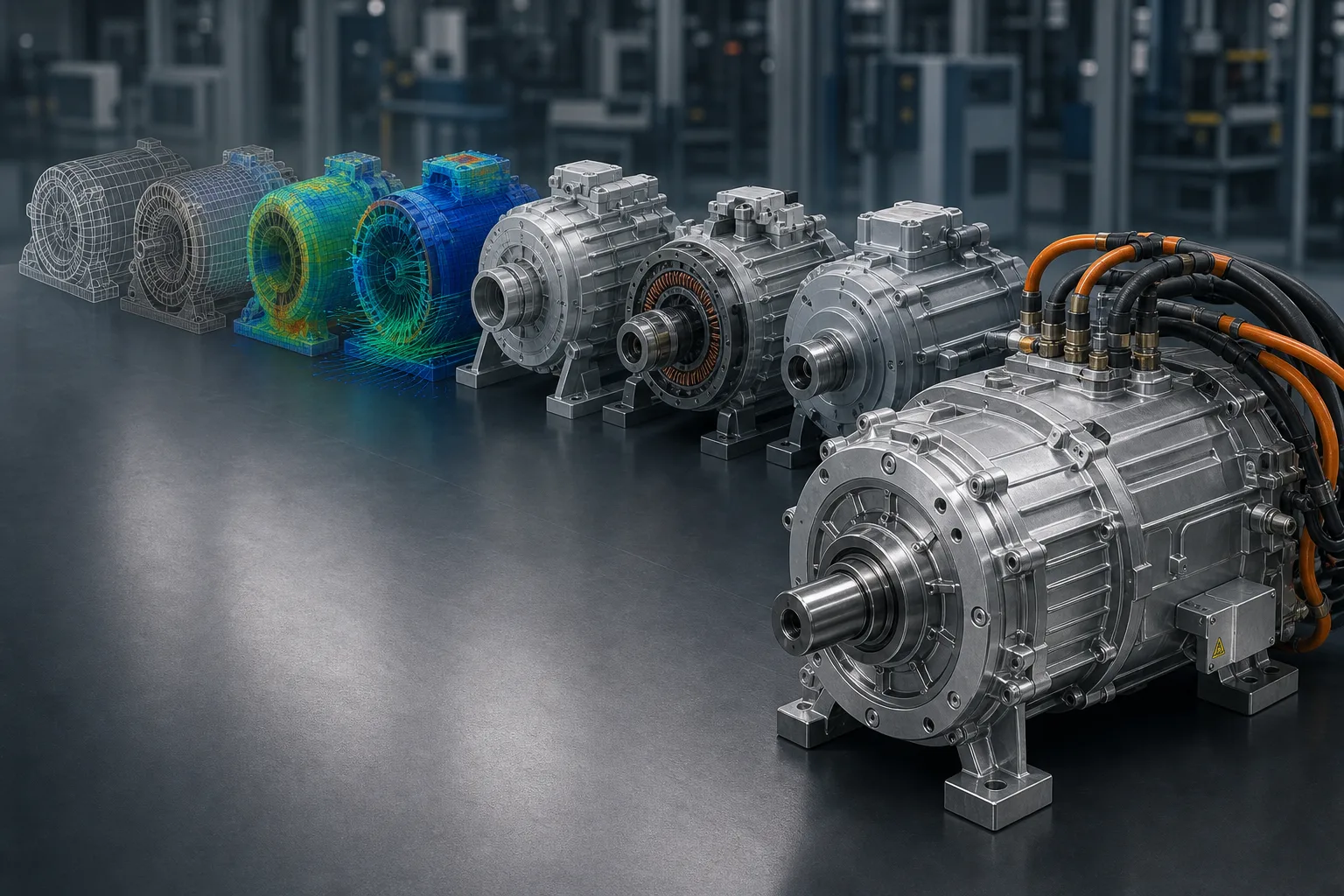
Programme timelines tied to DVA certification turn time-to-first-prototype into a genuine board-level KPI, not just an engineering metric. Teams that scale prototype iteration by adding more physical build-and-test cycles will lose that race. Teams that can compress the topology-to-verified-design loop in simulation — sizing, thermal, NVH, all before a magnet gets wound — have a real structural advantage on the certification clock, independent of anyone's manufacturing footprint.
The Build-vs-Buy Trap
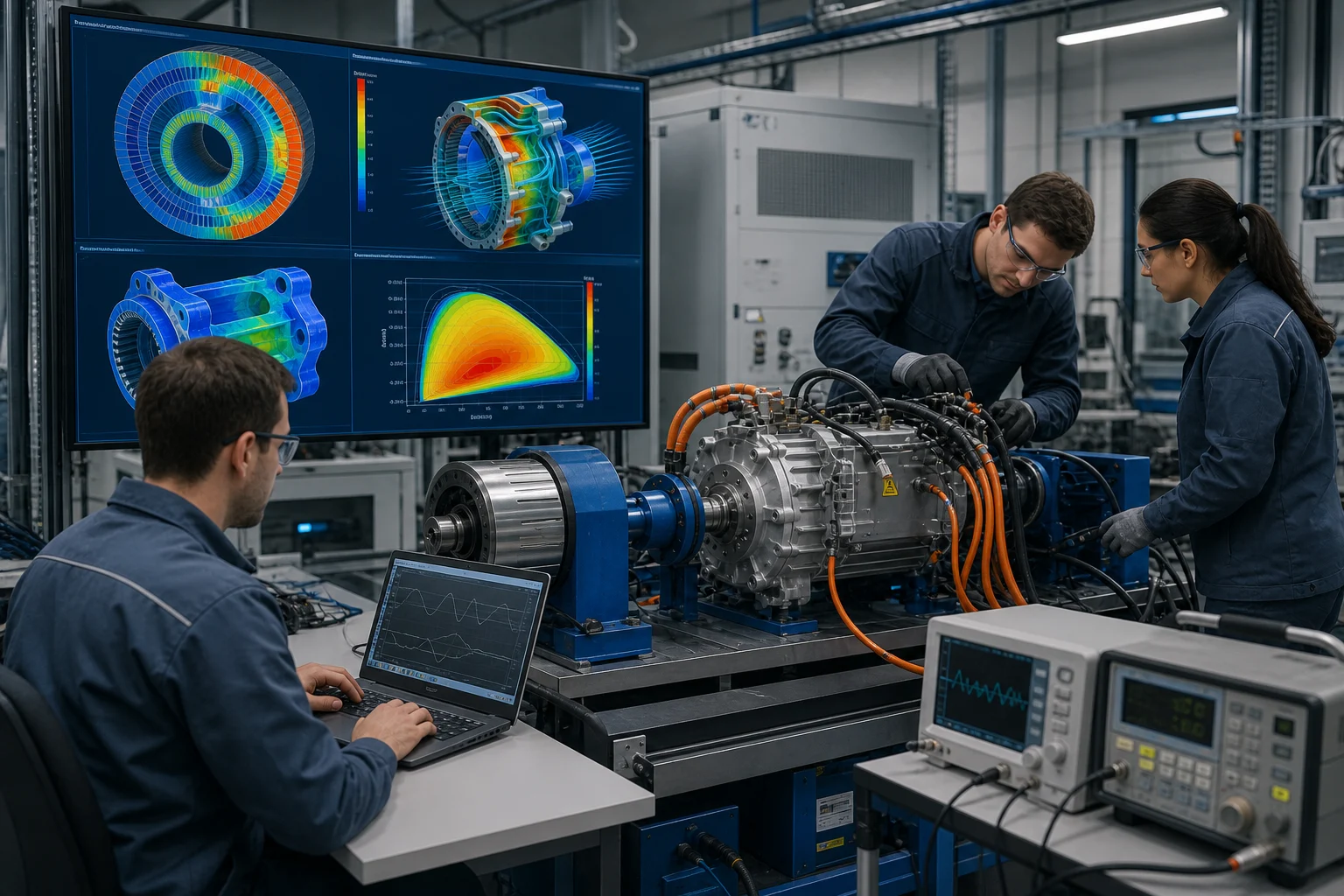
Here's where a lot of programmes stumble: they buy the simulation seats, hit budget approval, and then discover six months later that license utilization is low because the team that was supposed to "own" simulation was never trained to run it beyond the basics. The software gets blamed for a training and support gap. This is the single most common failure mode in build-vs-buy decisions on simulation competency — not picking the wrong tool, but under-investing in the team that has to drive it.
What to Ask Before Your Next Budget Cycle
- Are we actually verifying DVA-relevant design decisions in-house, or importing IP and localizing the paperwork around it?
- Is our time-to-first-prototype improving, or are we still bottlenecked on physical build-and-test loops?
- Do we know our current simulation license utilization rate — and if it's low, do we know why?
- Does our simulation partner offer training and on-site support, or just a software invoice?
The PLI window itself runs through FY2027-28 — extended by a year, with disbursement following into FY2028-29 — longer than the scheme's original timeline, but still not long enough to build design capability from a standing start. Programmes that close the design-capability gap now — not just the manufacturing-footprint gap — are the ones that will still be collecting incentives when the scheme's certification bar tightens further.
Is Your Team Ready to Own Motor Design — Not Just Assembly?
Kaizenat helps R&D and engineering leadership teams build in-house simulation capability for motor design — EMag sizing, thermal, and NVH — with training and on-site support, not just software licenses.